
SSS & Pag-IBIG, made easy
Everything you need to maximize your contributions, claim your benefits, and avoid common mistakes.
Featured Guide
Latest on SSS & Pag-IBIG
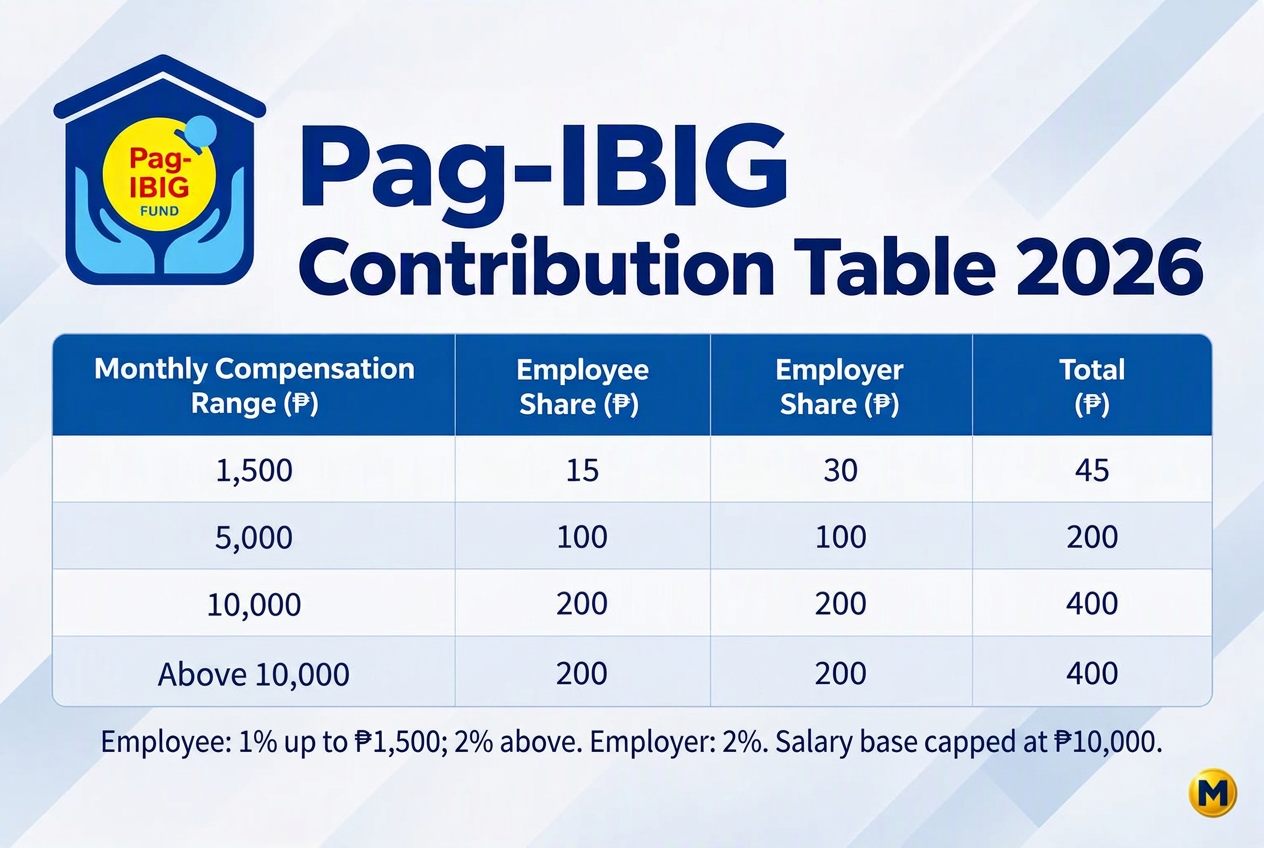
Pag-IBIG Contribution Table 2026
Employee and employer shares, the ₱10,000 salary cap, and worked examples of your regular monthly savings.
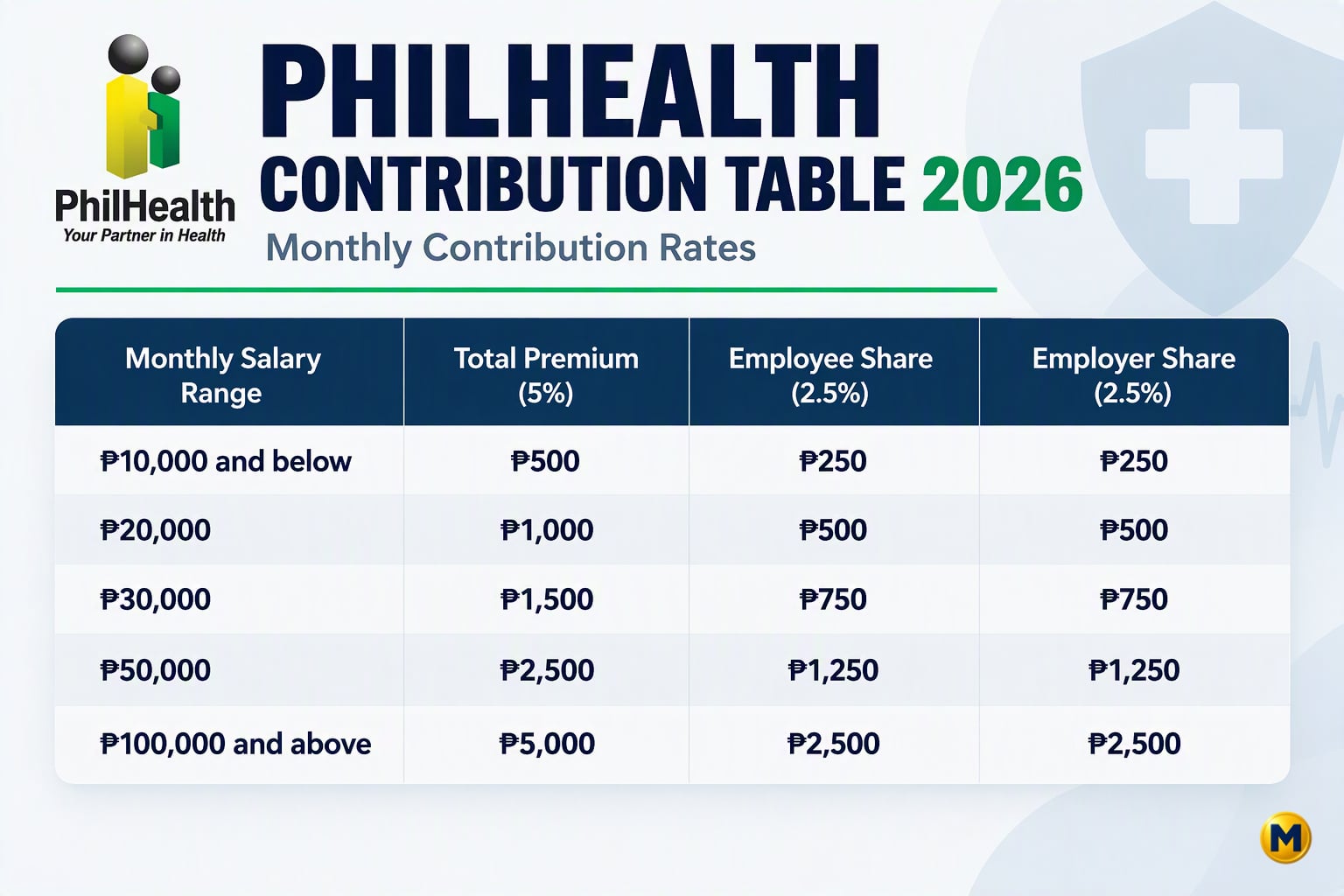
PhilHealth Contribution Table 2026
The 5% premium rate, ₱10,000 floor, ₱100,000 ceiling, and employee-employer shares for common salaries.
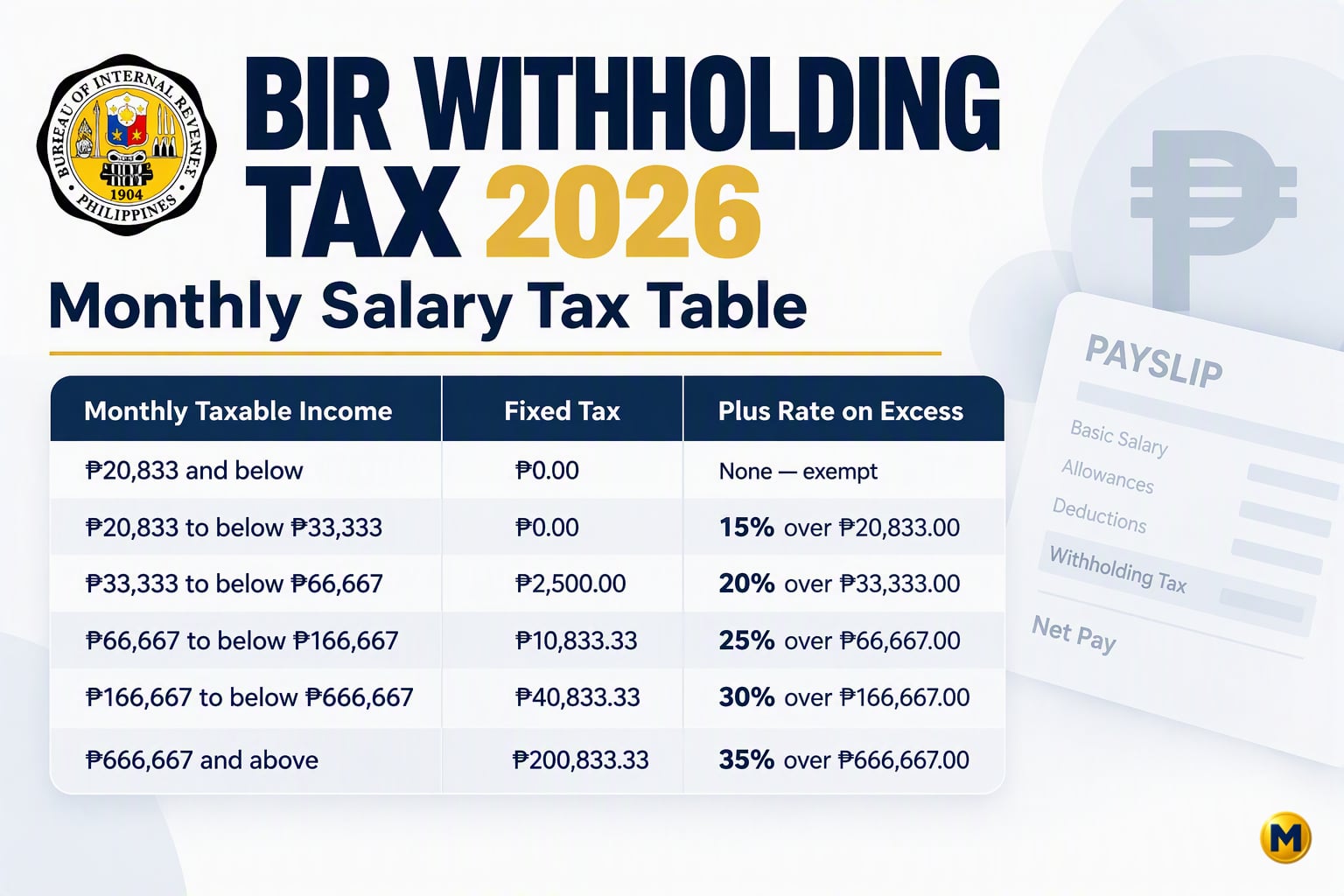
BIR Withholding Tax Table 2026
Annual, monthly and semi-monthly TRAIN Law brackets with worked salary examples.
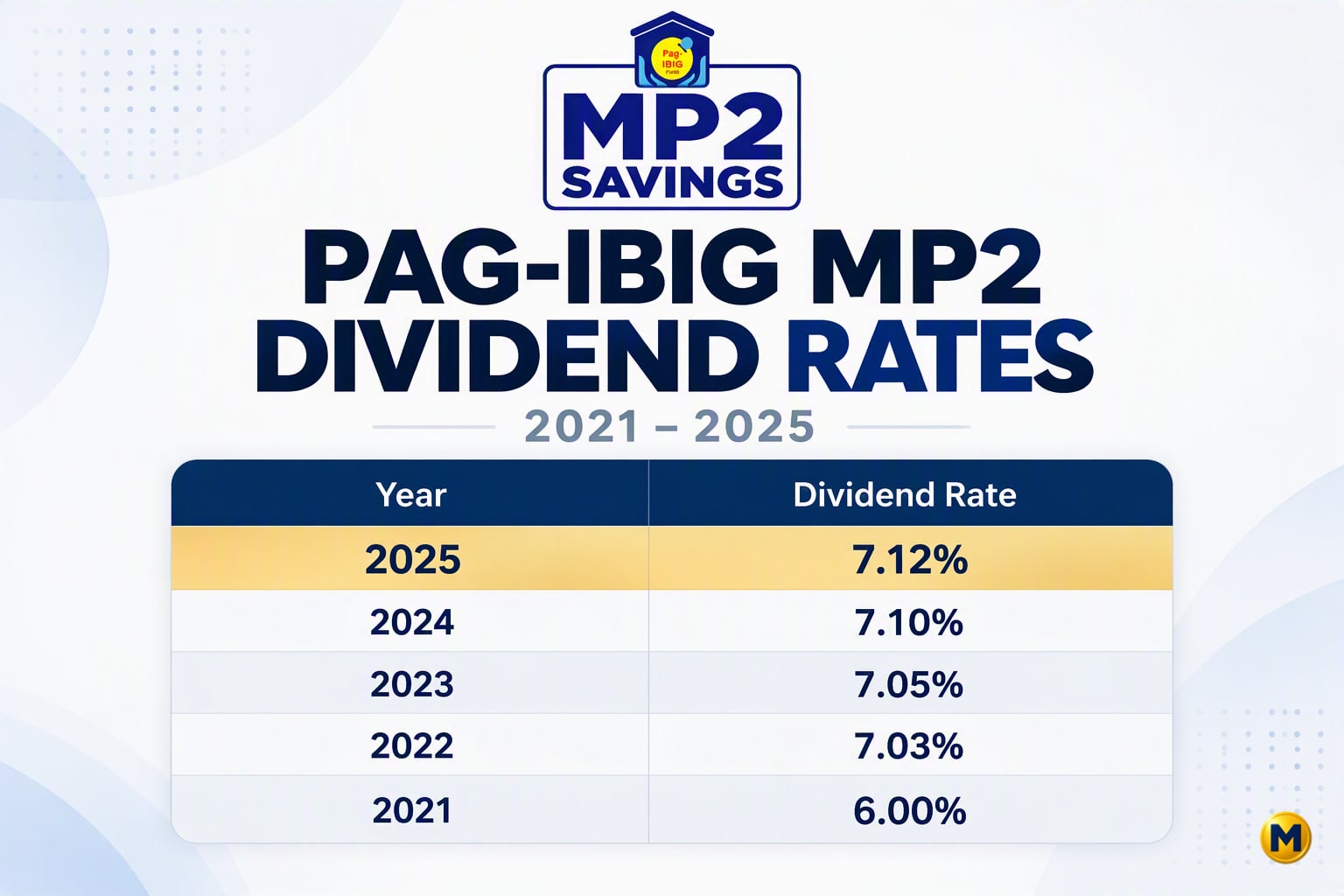
MP2 Dividend Rate History 2010–2025
Every declared Pag-IBIG MP2 rate since 2010, including the latest 7.12% rate, long-run average, and five-year projections.
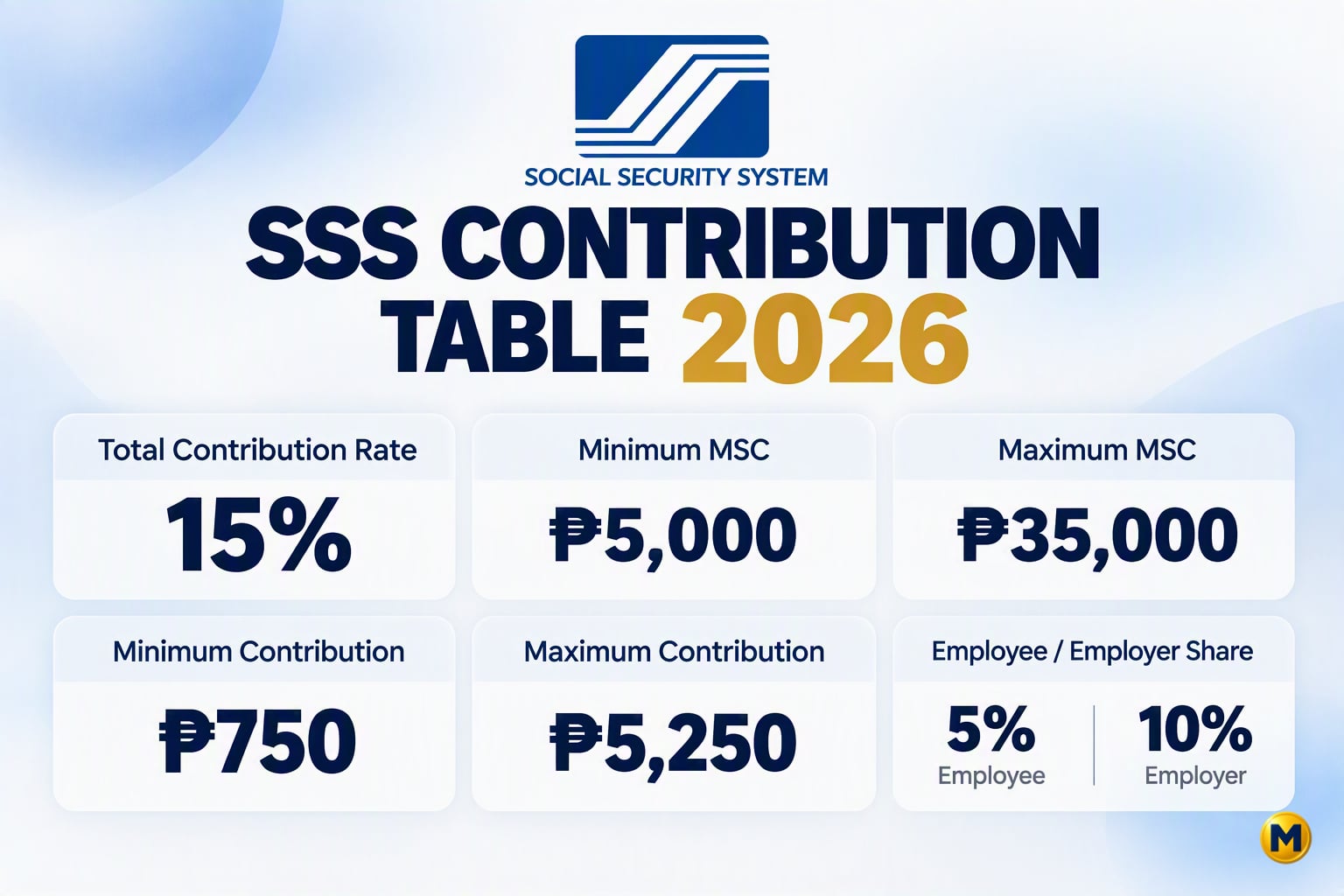
SSS Contribution Table 2026
Every ₱500 Monthly Salary Credit bracket with the employee share, employer share, EC premium, and WISP split.
Pag-IBIG MP2: The Complete 2026 Guide
Tax-free dividends, government-backed, and beats most savings accounts — here's how MP2 actually works in 2026, plus how to enroll in 10 minutes.

How to Claim SSS Benefits: Complete 2026 Guide
All 7 SSS benefits — sickness, maternity, disability, retirement, death, funeral, unemployment — plus why claims get rejected and what to do if yours is denied.

The SSS Salary Loan: How Much You Can Get, What It Really Costs, and How to Apply Right
Borrow up to ₱40,000 at 8% a year — eligibility, the real cost after fees, the online steps, and renewal tips.

PhilHealth: Your 2026 Complete Coverage Guide
Contributions, case rates, YAKAP, Z-Benefits, and maternity — plus how to reduce your hospital bill with PhilHealth in 2026.

Pag-IBIG Housing Loan 2026: How to Borrow Up to ₱10M
4.5% promotional rates, eligibility requirements, and a step-by-step guide to getting approved — plus expert tips to maximize your loanable amount.
SSS: Your 2026 Social Security System Guide
Contributions, benefits, and online payment systems explained — plus 4 maximization hacks and a 5-step checklist for 2026.
More guides coming
On our editorial roadmap
Voluntary vs Self-Employed
Which SSS membership type makes sense for you?
SSS, Pag-IBIG and PhilHealth: the benefits people miss
Mandatory contributions come out of every Philippine payslip, yet the benefits they buy are widely under-claimed. SSS pays sickness, maternity, unemployment, disability, retirement, and death benefits; Pag-IBIG offers housing loans, short-term loans, and the MP2 savings programme; PhilHealth covers case-rate hospital benefits and an expanding set of outpatient packages.
Most missed claims come down to two things: not knowing a benefit exists, and not meeting the contribution-posting requirements at the time of the claim. Each benefit has its own minimum number of posted contributions within a specific period, so checking your posted record before you need it matters more than any paperwork trick.
These guides set out eligibility, required contributions, computation, documents, and filing steps for each programme, and our calculators estimate pension, maternity benefit, salary loan repayments, MP2 maturity, and Pag-IBIG housing loan amortisation using current tables.
- Check your posted contributions through the member portal before filing any claim.
- Voluntary and self-employed members can keep contributing to preserve eligibility.
- Benefit computations depend on your monthly salary credit, not simply on your salary.
- Deadlines matter: several SSS benefits must be filed within a set period after the event.