
Loans & Financing, without the jargon
Compare personal loans, credit cards, and salary loans across PH banks and lenders — and learn how the credit score behind every approval actually works.
Featured Guide
Latest on Loans & Financing

The SSS Salary Loan: How Much You Can Get, What It Really Costs, and How to Apply Right
Borrow up to ₱40,000 at 8% a year — eligibility, the real cost after fees, the online steps, and renewal tips.

How to Pay Off Debt Faster: The Utang-Free Roadmap
Snowball vs avalanche, where to start, and a simple, judgment-free plan to become debt-free in the Philippines.

Pag-IBIG Housing Loan 2026: How to Borrow Up to ₱10M
4.5% promo rates, eligibility, and a step-by-step approval guide — plus tips to maximize your loanable amount.
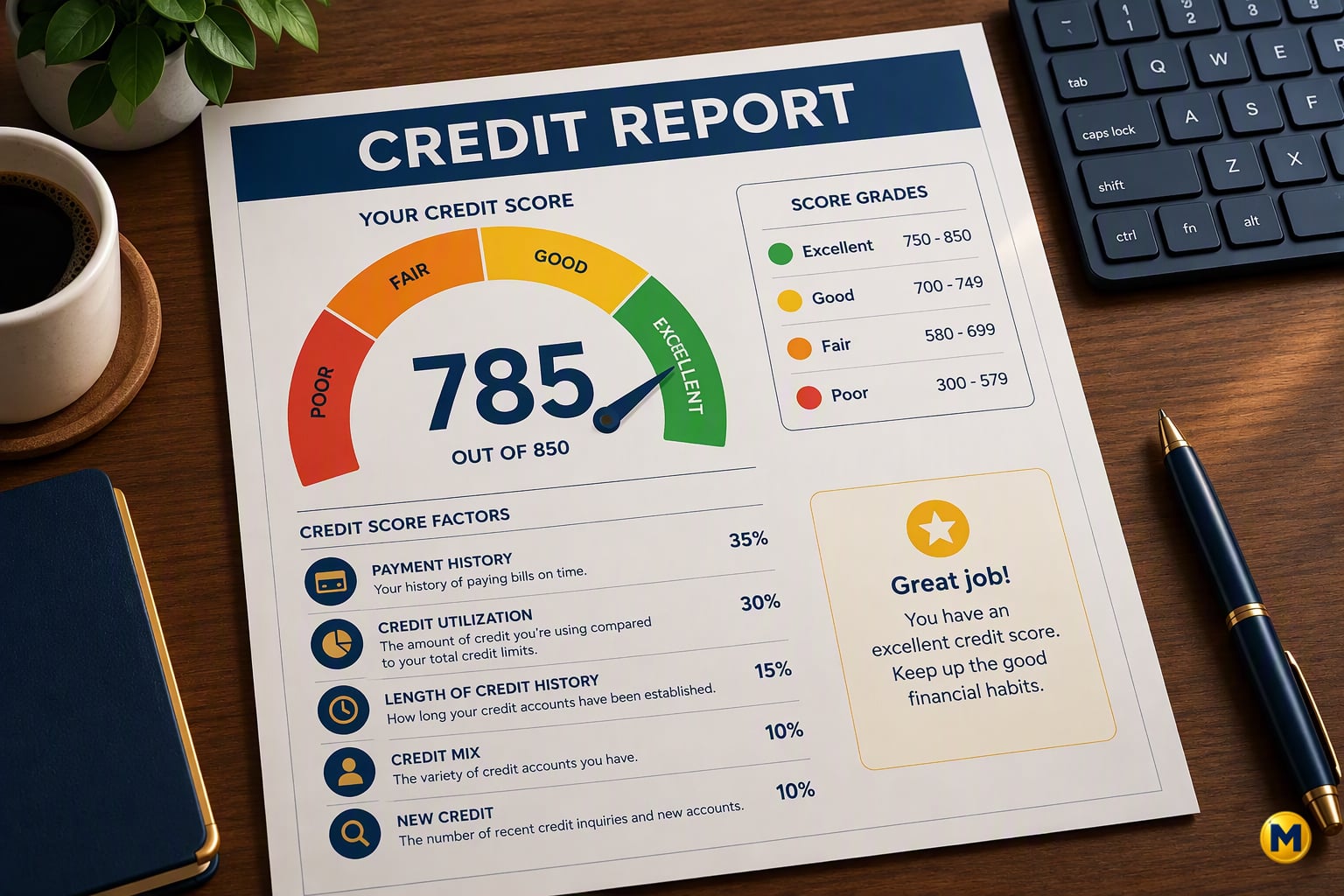
How to Check Your Credit Score in the Philippines (2026)
Step-by-step guide to CIC, Lista PH, CIBI, TransUnion, and CRIF — fees, wait times, and how to read, dispute, and improve your number.
More guides coming
On our editorial roadmap
Best Personal Loans in the Philippines
Bank vs online lender rates and approval odds.
Auto Loan Playbook
How to negotiate the lowest rate on your next car.
Borrowing in the Philippines without getting buried
The advertised rate on a loan in the Philippines is rarely the cost you pay. Many personal loans quote a monthly add-on rate applied to the original principal for the whole term, which works out to roughly double that figure as an effective annual rate once you account for the declining balance. Processing fees, documentary stamp tax, and early-settlement charges add more.
The reliable comparison is total pesos repaid over the life of the loan, plus what happens if you are late. Salary-deduction loans through SSS or Pag-IBIG, and secured borrowing such as a Pag-IBIG housing loan, are usually far cheaper than app-based lending, which sits at the expensive end and often carries aggressive collection practices.
These guides cover each option in order of cost, how credit records work in the Philippines, and how to get out of an existing debt spiral using either the avalanche or snowball approach.
- Convert every quoted monthly add-on rate to a total-pesos-repaid figure before comparing.
- Check for prepayment penalties if you intend to settle early.
- Salary-deduction and secured loans are usually the cheapest credit available to employees.
- Only borrow from BSP-registered or SEC-registered lenders.