
Find the best bank for your peso
Side-by-side comparisons of digital banks, savings accounts and time deposits — updated monthly.
Featured Guide
Latest on Banking & Savings
Dollar Account Philippines: Fees, Rates & Bank Comparison
Compare dollar accounts at 9 PH banks, avoid the fee mistake that erases a year's interest, and understand what PDIC really covers.
GCash vs Maya: Which Is Better in 2026?
The Philippines' two biggest e-wallets go head-to-head — fees, interest, features, and which one deserves your peso.

Best High-Yield Savings Accounts in the Philippines (Oct 2026)
Up to 15% p.a. — the most generous peso savings accounts compared on real net rates, requirements, and the fine print most blogs skip.
InstaPay vs PESONet Fees 2026: Which Banks Are Actually Free?
After BSP Circular 1238, most major PH banks dropped their transfer fees. Here's who's free, who still charges, and which rail to use.
Comparing the Top 7 Digital Banks in the Philippines (2026)
MariBank, Maya, GoTyme, Tonik, UNO, UnionDigital, and OFBank — interest rates, fees, and which one actually fits your cash flow.
Philippine Bank Codes & SWIFT/BIC Directory
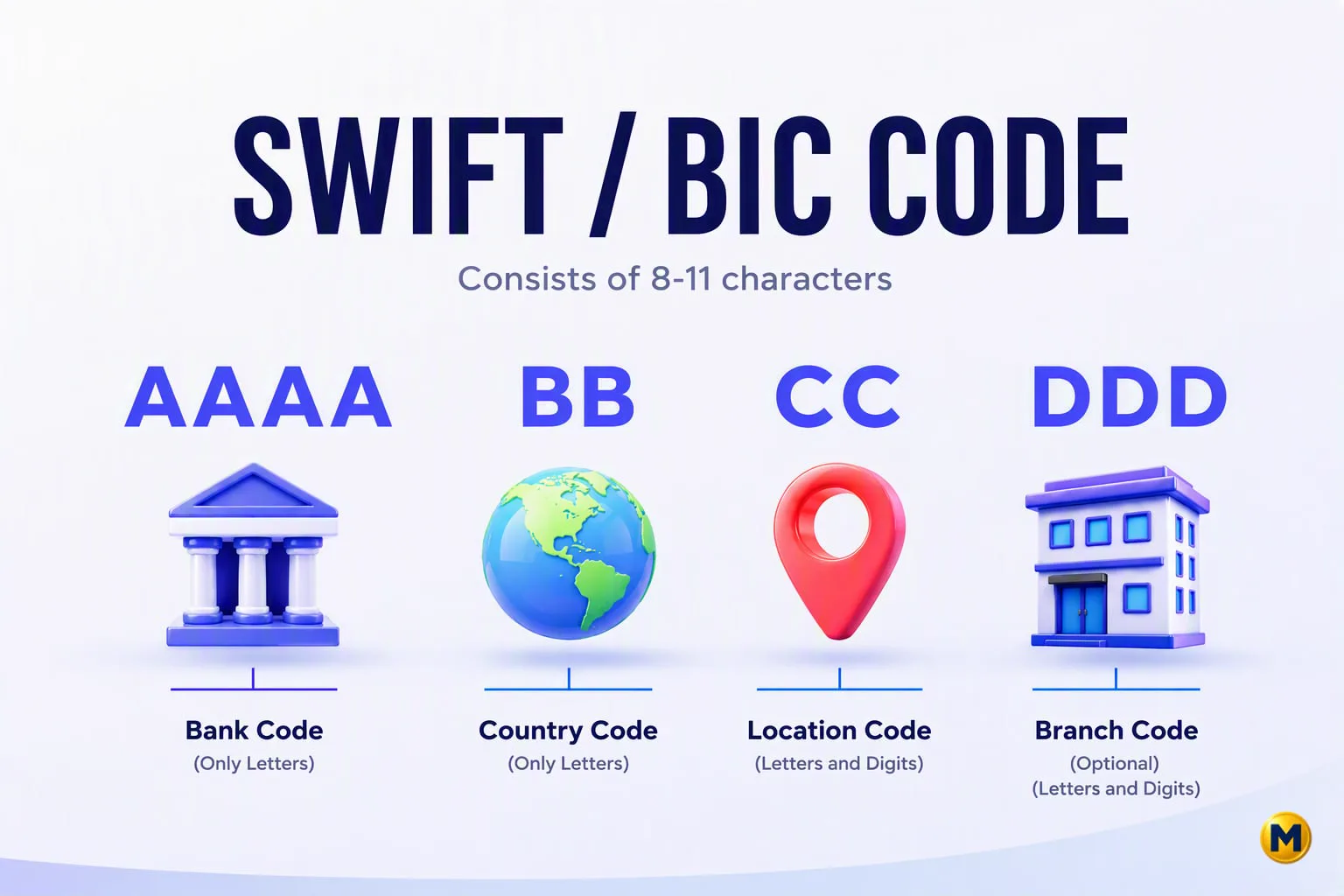
Every BRSTN and SWIFT code you'll need for PESONet, InstaPay and international wire transfers — searchable and copy-ready.
More guides coming
On our editorial roadmap
Best Time Deposits in the Philippines
Which banks pay the most for locked-up savings.
Banking and savings in the Philippines
Traditional bank savings accounts in the Philippines pay very little interest while charging maintaining-balance and below-balance fees, so money left in them loses purchasing power every year. Digital banks and time deposits pay materially more, and the gap has widened enough that where you keep your emergency fund is now a real financial decision rather than an administrative one.
What matters when comparing accounts is the rate actually paid on your balance tier, whether the advertised rate is a promo or a base rate, the maintaining balance, and PDIC deposit insurance coverage. A high headline rate that only applies to the first slice of your balance can be worth less than a lower rate paid on everything.
This hub also covers the plumbing: InstaPay and PESONet fees and cut-off times, SWIFT/BIC codes for incoming international transfers, and how GCash and Maya compare for everyday spending versus saving.
- PDIC insures deposits per depositor per bank up to the statutory limit — split large balances across banks.
- Distinguish promo rates from base rates; promos expire.
- Below-maintaining-balance fees can wipe out a year of interest on a small account.