
Insurance, without the sales pitch
Independent breakdowns of HMO, life, health and motor insurance products — so you only buy what you actually need.
Featured Guide
Latest on Insurance
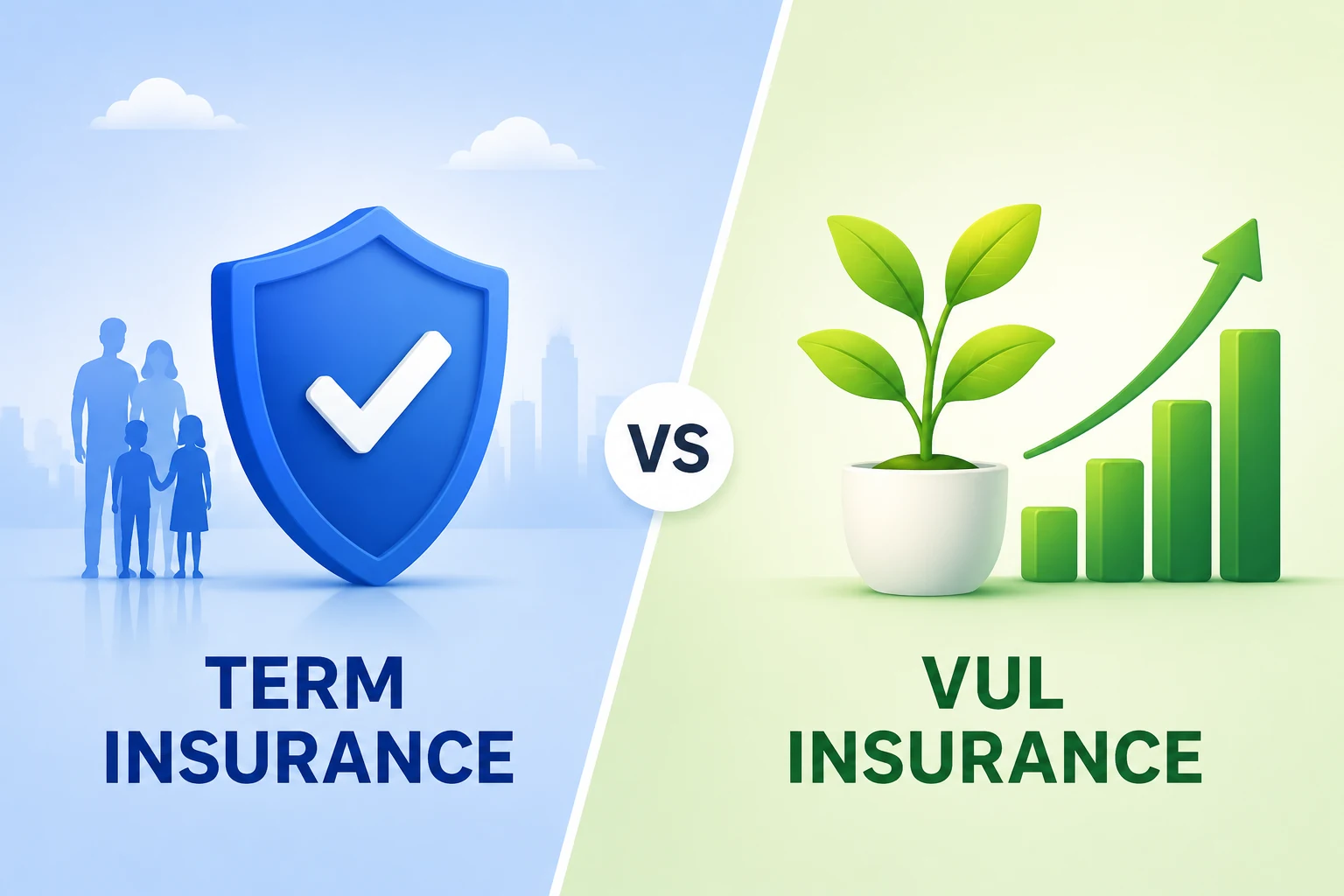
Term vs. VUL: Which Life Insurance Fits You?
A decision framework, not a sales pitch — real cost comparison, the term-plus-invest math, and a 6-step way to decide.

Best Car Insurance in the Philippines 2026: A Comparison Guide
AXA, Malayan, FPG, OONA, Prudential & Standard compared — premiums, hidden fees, claims tips, and expert picks.

Is VUL Worth It? Variable Life Insurance in the Philippines, Explained
A fee-by-fee breakdown — premium charges, cost of insurance, fund fees and surrender charges — plus an honest verdict.

Best Travel Insurance for Filipinos 2026: The Complete Buyer's Guide
Pacific Cross, Oona, Standard, Cocogen & Malayan compared — plus whether your credit card's free coverage is actually enough.
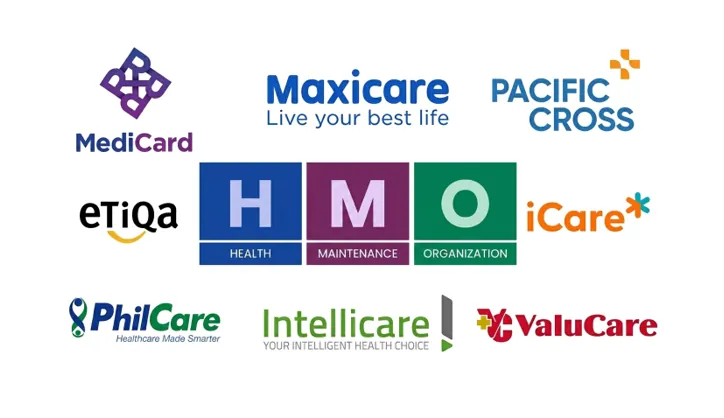
HMO in the Philippines 2026: The Complete Buyer's Guide
Maxicare, MediCard, Intellicare, PhilCare, iCare, Pacific Cross, Etiqa & ValuCare — coverage, pricing, and how to pick the right plan.
More guides coming
On our editorial roadmap
Health Insurance vs HMO
When a traditional health plan beats an HMO card — and when it doesn't.
Pet Insurance in the Philippines
Is it worth it in 2026? Providers and real payouts.
Insurance in the Philippines: what to buy and what to skip
Insurance is where Filipino households most often overpay, usually by buying an investment-linked product when what they needed was protection. The two are separable: term life insurance buys a large payout for a small premium, while a variable universal life policy bundles a smaller amount of cover with an investment account and much higher charges in the early years.
Beyond life cover, the practical questions are health financing on top of PhilHealth, whether an HMO membership is worth its annual cost for your family's usage, and the non-negotiables like motor third-party liability and travel cover for visa applications. Each of our guides shows what the policy actually pays, what it excludes, and where the money goes.
We do not sell policies and receive no commission on any product named here, which is why the guides say plainly when a cheaper option covers the same risk.
- Buy protection and investments separately unless you have a specific reason not to.
- Read exclusions and waiting periods before the premium table — they decide whether a claim pays.
- PhilHealth is a floor, not full coverage; case rates cap what it pays per condition.
- Declare pre-existing conditions honestly; non-disclosure is the most common reason claims fail.