
Best Credit Cards for Beginners in the Philippines (Oct 2026)
Compare starter credit cards for first-time applicants, ranked by income requirement, annual fee, and approval considerations. Explore no annual fee for life (NAFFL) options and choose a beginner credit card that fits your income and spending habits.
Updated on Oct 9, 2026 · 10 min read
Fact Checked
Quick answer
For a first credit card in the Philippines, choose a no-annual-fee or easily waived card with a low income requirement and simple, uncapped rewards. Entry cards such as PNB Ze-Lo, UnionBank U, AUB Easy Mastercard, BPI Rewards, Metrobank Rewards Plus, RCBC Flex, China Bank Freedom and EastWest Everyday Titanium are built for first-time applicants. Approval depends mainly on documented income, employment or business stability, and existing credit history.
Key takeaways
- Entry-level cards typically ask for lower documented annual income than premium cards.
- A card with no annual fee for life removes the main cost risk for a first-time cardholder.
- Paying the full statement balance before the due date avoids all finance charges.
- Keeping utilisation low and payments on time is what builds a usable credit record.
- A secured card backed by a deposit is an alternative if unsecured applications are declined.
Banks run credit card promos very frequently — so while that can mean faster approval, don't let a fast "yes" decide for you. Take a moment to make sure you're choosing the right card for your needs, not just the easiest one to get.
★ Top 4 Recommended Picks
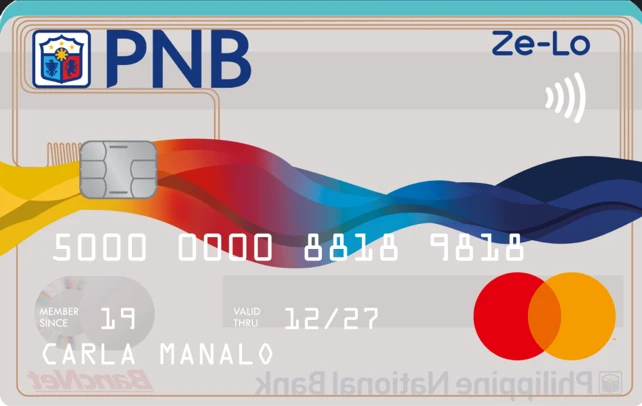
Ze-Lo Mastercard
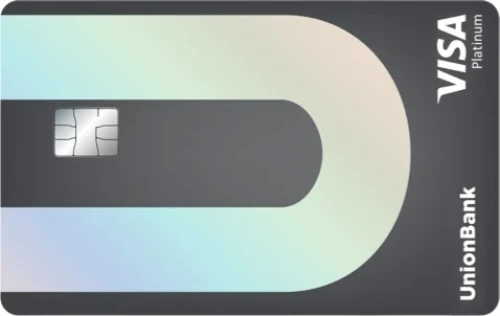
U Visa Platinum
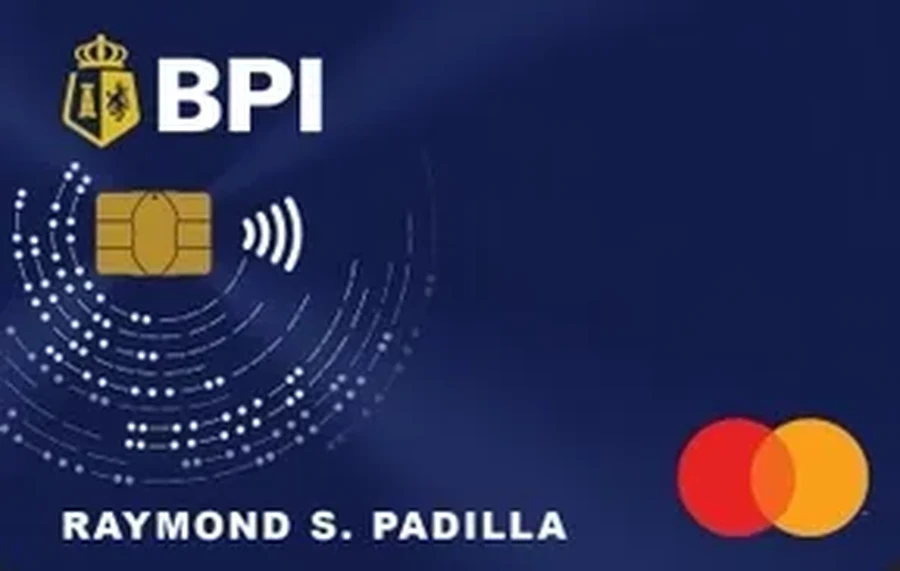
Rewards Card
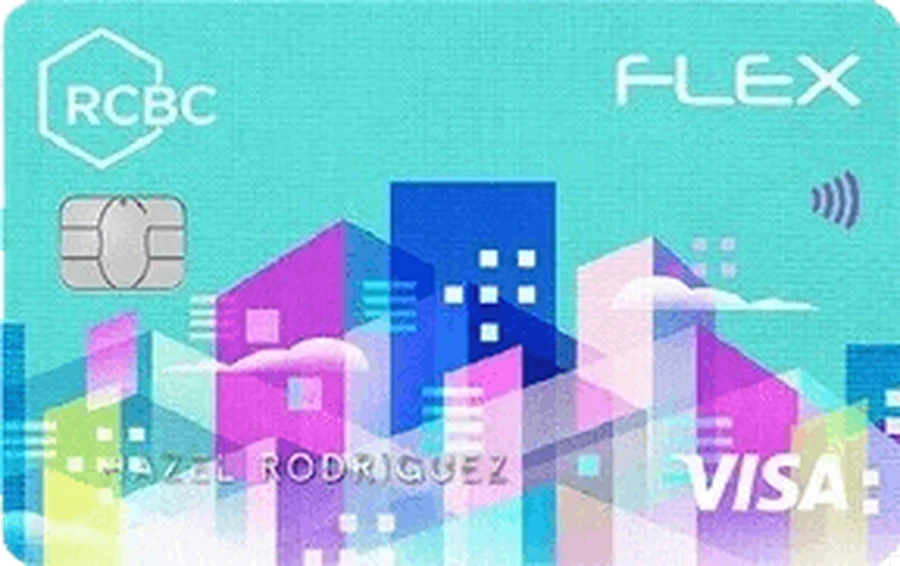
Flex Visa
Other Credit Cards Worth Considering for First-Time Applicants
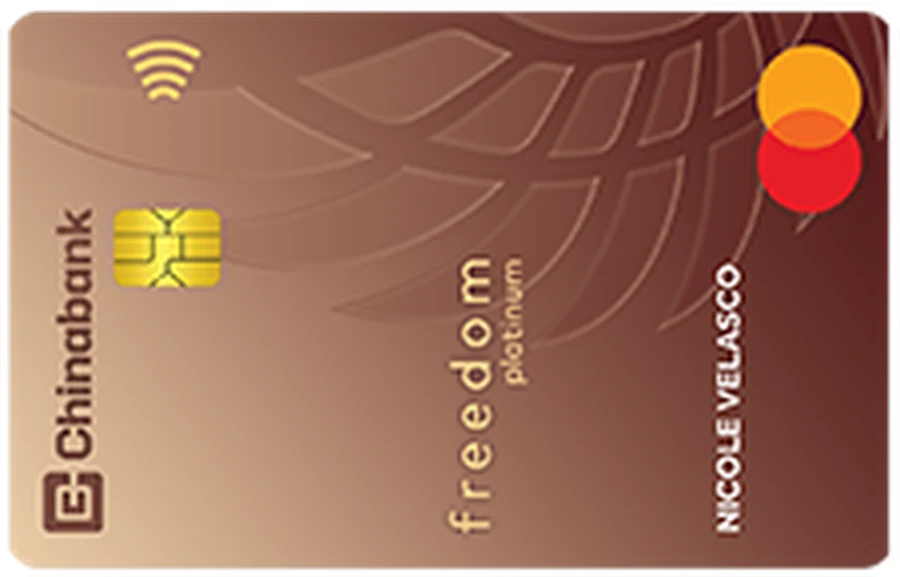
Freedom Mastercard
Easy Mastercard
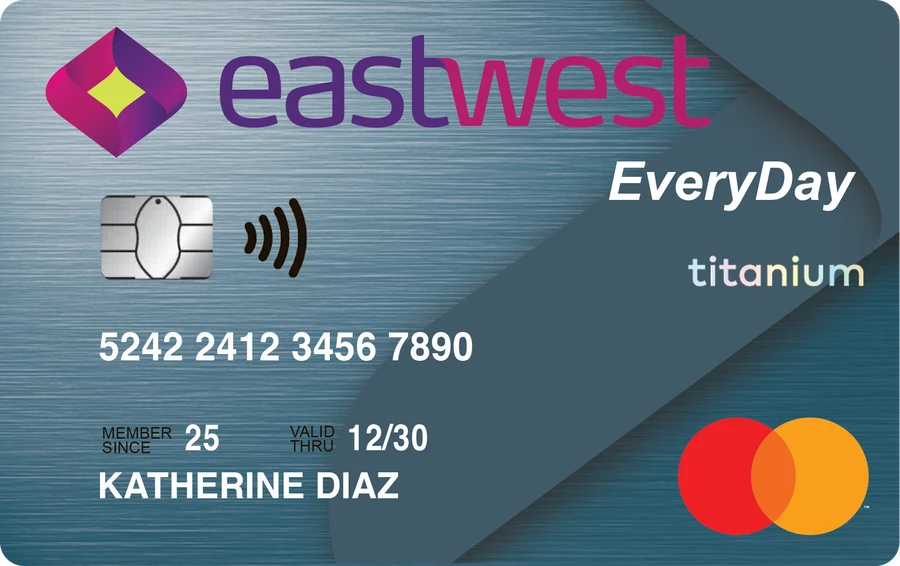
EveryDay Titanium Mastercard
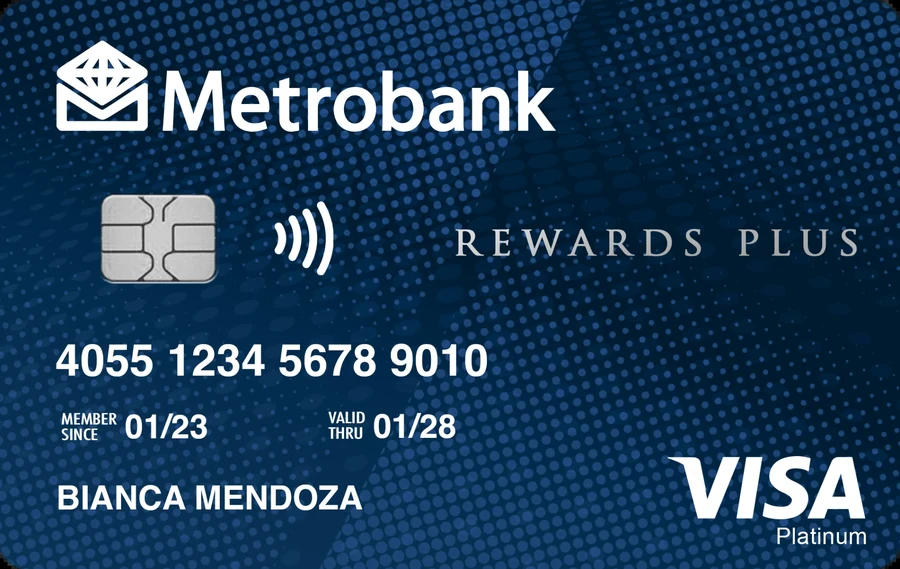
Rewards Plus Visa
No Income to Declare Yet? Secured & Supplementary Card Options
Secured credit cards
Deposit money, get a card. Your limit is about 80% of what you put in — no income needed, and on-time payments still build real credit history.
Supplementary cards
Ride on a parent's or spouse's card — no income test for you. Use it well and it can help your own application later.
Every card in the Philippines charges 0% on new purchases if you pay in full by the due date — it's how credit cards work, not a bonus feature. If a card markets this as a selling point, look past it to the fee and rate that actually matter.
An existing savings or payroll account gives the issuer transaction history to underwrite against, even with a short employment record. It's often the single biggest lever a first-time applicant has.
Have a valid government ID, latest ITR or Certificate of Employment/Compensation, and your last one to three months of payslips ready. Complete applications move faster and get declined less often.
Multiple applications in a short window can look like credit-seeking behavior and hurt your approval odds across the board. Pick your top choice and apply there first.
If your income sits right at a card's minimum, applying for a card one tier below meaningfully improves your odds versus stretching for a card you narrowly qualify for.
For your first card, prioritize no annual fee over a strong rewards rate. You're still learning your own spending patterns — remove one variable while you build the habit, then upgrade once you have a year of on-time payments behind you.
Interest on unpaid balances is capped by the BSP but still compounds quickly on a small starter limit. Paying in full each cycle, even on a modest limit, builds the track record that unlocks better cards later.
Frequently asked questions
Disclaimer — Income requirements, annual fees, promotional waivers, and card features are set by each bank and are subject to change without notice. The information on this page is intended as a general guide only. We recommend visiting each bank's official website or speaking with a representative before making any application decisions.
Read next
Best Cashback Credit Cards PH 2026
Got your first card? Here's how to graduate to a cashback card that pays you back on every swipe.
Read the guide